
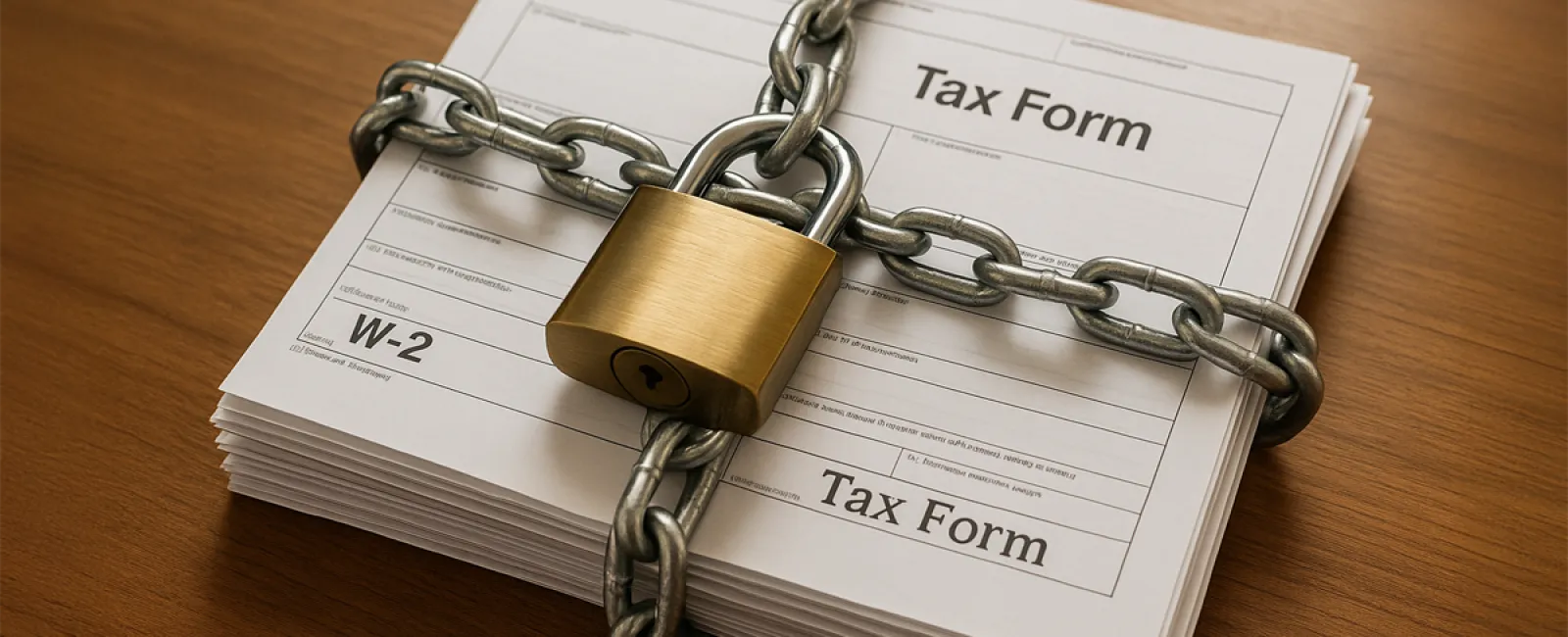
February signals the arrival of tax season, and as your accountant's schedule fills up and your bookkeeper gathers paperwork, everyone starts focusing on W-2s, 1099s, and looming deadlines.
But here's the element that often slips under the radar—the first major tax-season headache isn't a form; it's a scam.
One particularly deceptive scam hits even before April, targeting small businesses with a realistic and convincing approach. It could already be lurking in someone's inbox right now.
Understanding the W-2 Scam: A Breakdown
The fraudulent scenario unfolds like this:
An individual in your organization—usually someone in payroll or HR—receives an email that appears to come from your CEO, owner, or top executive.
The message is brief but urgent:
"I need copies of all employee W-2s for a meeting with our accountant. Please send them ASAP—I'm swamped today."
The email sounds authentic, matches the tone of top executives, and given the rush of tax season, the urgency feels completely natural. The request seems legitimate.
Consequently, your employee sends over the W-2 documents.
In reality, the email wasn't from your CEO but from a cybercriminal using a spoofed address or a nearly identical domain.
Now that criminal has access to sensitive employee details:
• Full legal names
• Social Security numbers
• Home addresses
• Salary information
All the data needed for identity theft and for filing fraudulent tax returns before the real employees can.
Consequences That Follow
Usually, victims realize something's wrong when:
Employees try filing their tax returns only to have them rejected with alerts like: "Return already filed for this Social Security number."
This means someone else has already filed a return in their name and claimed their refund.
Now, your staff must confront the IRS, deal with credit monitoring, enroll in identity theft protection, and navigate months of complicated paperwork—all because of a deceptive email.
Multiply this impact across your entire payroll, and imagine the challenge of informing your team that their personal data was compromised due to a cleverly crafted scam.
This is far beyond a mere security issue—it's a crisis in trust, a potential legal liability, a human resources emergency, and a hit to your company's reputation.
Why The W-2 Scam Is So Effective
This isn't a clumsy spam email claiming Nigerian royalty. At first glance, it looks convincing and legitimate.
The scam works because:
- Timing is impeccable—requests for W-2s are common in February, so no one questions such emails.
- The request is reasonable—it's not demanding large sums of money or gift cards; it's a typical tax season document request.
- The urgency feels genuine—"I'm slammed today" resonates in a busy office environment without raising alarms.
- The sender appears authentic—criminals research their targets, know key names, and fabricate believable details.
- Employees, eager to help their boss, often comply quickly without verifying.
Essential Steps to Safeguard Your Business
Fortunately, this scam can be stopped with simple, clear policies supported by a culture of vigilance—not just expensive technology.
Implement a strict "No W-2s via Email" policy. Absolutely no exceptions. Sensitive payroll documents must never leave your premises as email attachments. Say "no" to any email requests for these documents, even if they appear to come from executives.
Always verify sensitive requests through a separate channel. Whether by phone, in-person, or chat, confirm requests using established contact methods—not by replying to the email. Just 30 seconds of verification can prevent extensive damage.
Hold a brief tax-fraud awareness meeting immediately. Before the season heats up, educate your payroll and HR teams about these attacks, what to watch for, and the protocols to follow. Awareness is your best defense.
Secure your payroll and HR platforms with multi-factor authentication (MFA). MFA acts as a critical barrier if credentials are compromised, protecting sensitive employee information.
Foster a culture where verification is encouraged. An employee who double-checks an email request from the CEO should be recognized for diligence—not criticized for being cautious. When vigilance is rewarded, scammers struggle to succeed.
These five simple rules can be implemented this week and provide strong protection against the initial wave of scams.
Looking Beyond the W-2 Scam
The W-2 scam is just the beginning.
From now until April, prepare for a surge of tax-related cyber threats, including:
• Fake IRS payment demands
• Phishing emails disguised as tax software updates
• Fraudulent messages from "your accountant" containing harmful links
• Bogus invoices designed to mimic legitimate tax expenses
Cybercriminals thrive during tax season when organizations are distracted and financial requests seem routine.
Businesses that emerge from tax season intact do so because they are prepared—they have strong policies, comprehensive training, and systems to detect suspicious activity before disaster strikes.
Is Your Business Prepared to Defend Itself?
If your business already has policies in place and employees understand potential threats, you're ahead of many small companies.
If not, now is the time to act—not after a costly scam impacts your organization.
If this sounds like your situation, schedule a 15-minute Tax Season Security Check.
We'll evaluate:
• Payroll and HR access controls with MFA
• Your W-2 verification process
• Email security to detect spoofing
• The critical policy adjustments most businesses overlook
If it doesn't sound like you, that's great—but please forward this article to another business owner who might benefit. It could spare them a costly and stressful ordeal.
Click here or give us a call at 929-523-2921 to schedule your free Call With Our CEO.
Because tax season is stressful enough without the added burden of identity theft.


